Arsenal’s decision to hand Mikel Arteta a contract extension worth £25 million arrives at a moment when the club is basking in the glow of its first Premier League title in 22 years. It is a landmark deal that elevates Arteta to the highest-paid manager in England once Pep Guardiola departs, and the second highest in the world behind Diego Simeone. On the surface, it is a reward for a manager who has reshaped Arsenal’s identity and restored its competitive edge. Yet beneath the celebratory headlines lies a more layered narrative, one defined by ambition, pressure, and two clauses that insiders describe as ruthless, clauses that could ultimately shape the trajectory of Arteta’s reign.

The significance of this extension cannot be overstated. When Arteta took charge in December 2019, Arsenal were a club in disarray, weighed down by years of inconsistency and underachievement. His appointment was met with skepticism, but through discipline, tactical innovation, and an uncompromising demand for standards, he gradually rebuilt the squad. The culmination of that work came in the 2025/26 season, when Arsenal finally broke their long title drought. “We had to restore pride, we had to restore belief,” Arteta once said, and the Premier League crown was the ultimate vindication of that mission. Against this backdrop, the £25 million extension feels both like a reward for past success and a challenge to sustain dominance in the years ahead.
Reports suggest that the deal is not merely about salary. The board has attached two clauses that tie Arteta’s bonuses and long-term security directly to performance in both domestic and European competitions. One source close to the negotiations explained, “This is not just about winning the league once. The expectation is sustained success, year after year.” Such conditions reflect Arsenal’s ambition to cement themselves not only as champions of England but as a force in Europe, a goal that has eluded them since their lone Champions League final appearance in 2006. The clauses are designed to ensure that Arteta’s tenure is measured not by a single triumph but by the creation of a dynasty, a sustained era of excellence that can rival the dominance of Manchester City under Guardiola or the consistency of clubs like Bayern Munich.
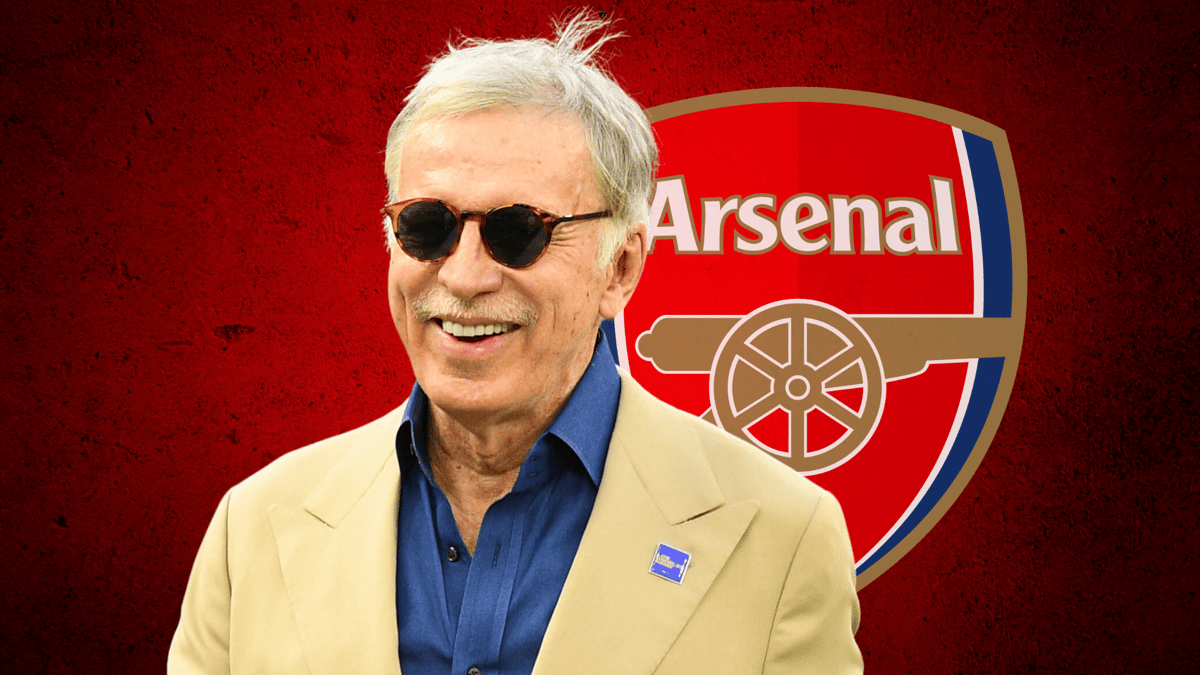
The inclusion of these clauses has sparked debate among supporters and pundits alike. On one hand, they represent a bold declaration of intent, a refusal to settle for mediocrity after tasting glory. On the other, they raise questions about the immense pressure being placed on a manager who has already delivered beyond expectations. Football history is filled with examples of clubs that demanded too much too quickly, destabilizing the very foundations of their success. Arteta’s situation is unique: he is celebrated as the architect of Arsenal’s revival, yet simultaneously challenged to prove that it was not a one-off triumph. “This title is not the end,” he reportedly told his players. “It is the beginning of something bigger.” Those words capture both the optimism of the moment and the daunting reality of what lies ahead, as Arsenal now face the challenge of defending their crown and conquering Europe.
Financially, the deal underscores Arsenal’s transformation into a modern powerhouse. For years, the club was criticized for its cautious spending and reluctance to compete with the financial muscle of rivals. By making Arteta one of the highest-paid managers in the world, Arsenal are signaling that they are prepared to invest heavily in leadership as well as talent. The £25 million figure is not just a salary; it is a symbol of faith in Arteta’s vision and a commitment to stability in an era where managerial turnover is rampant. Yet the clauses remind us that faith is conditional, tethered to results, and subject to the unforgiving logic of elite sport. Arsenal’s hierarchy is effectively saying that the investment must yield continuous returns, and that the manager’s security is inseparable from the club’s success on the pitch.

The emotional dimension of this story should not be overlooked. Arteta’s journey has been marked by moments of vulnerability, from his admission that he could not bear to watch Manchester City’s decisive match against Bournemouth to the tearful embrace of his son when Arsenal’s title was confirmed. These glimpses into his humanity have endeared him to supporters, who see in him not just a strategist but a man deeply invested in the club’s fortunes. The new contract, with its staggering numbers and ruthless conditions, adds another layer to that narrative. It is both a reward for his resilience and a test of his capacity to endure even greater pressure. “I couldn’t bring the energy I wanted,” he once confessed about that decisive night, a reminder that even the strongest leaders are not immune to fear and doubt.
For Arsenal fans, the announcement is a source of both pride and apprehension. Pride, because their manager has been recognized as one of the very best in the world, a leader worthy of record-breaking compensation. Apprehension, because the clauses suggest that the margin for error has narrowed dramatically. The joy of ending a 22-year drought is now tempered by the realization that the next chapter will be judged by even harsher standards. “We’re champions,” Arteta’s son told him, but the board’s message is clear: champions must remain champions, and anything less will not suffice. The supporters, who have lived through years of near misses and frustrations, now find themselves caught between the exhilaration of success and the anxiety of sustaining it.

This contract also raises broader questions about the nature of modern football management. Success is celebrated, but it is never enough. Belief must be sustained, and even in moments of triumph, the demands of the future loom large. Arteta’s story illustrates the paradox of leadership in elite sport: the very achievements that secure a manager’s position also raise the expectations that threaten it. His garden fire and his son’s tears will remain the most sacred memory of his career, but the clauses in his new deal may define whether that memory becomes the foundation of a dynasty or the peak of a fleeting era. Arsenal have chosen to bet on Arteta’s ability to transform one historic victory into a sustained legacy. Whether that gamble pays off will depend not only on his tactical acumen but on his resilience, his capacity to manage pressure, and his ability to keep belief alive in a club that has rediscovered its hunger for greatness.