ERLING HAALAND, MANCHESTER CITY STAR, CONFIRMS HE WILL MISS FIFA WORLD CUP 2026 IN SHOCK INTERNATIONAL ANNOUNCEMENT
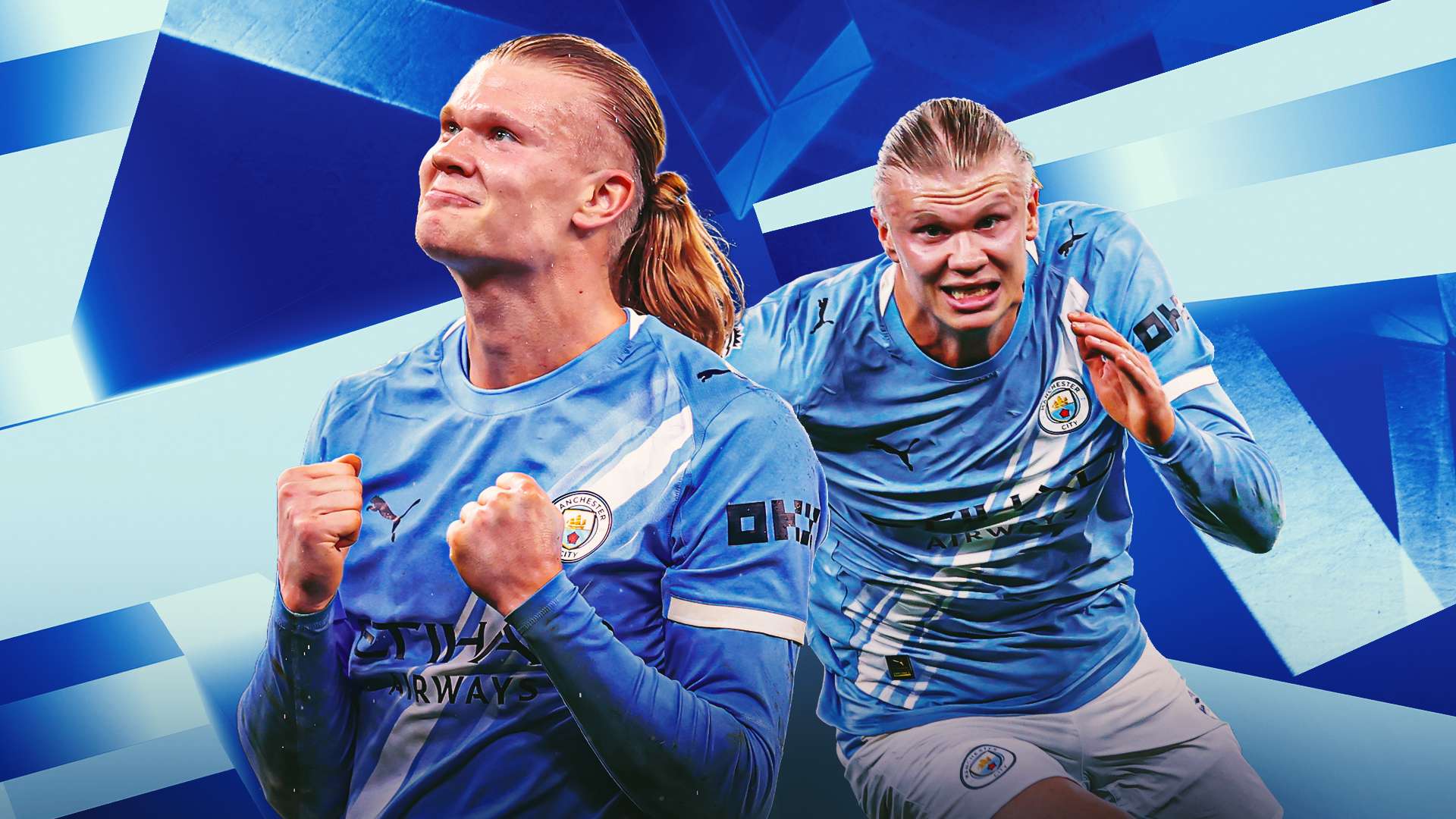
The football world has been sent into a wave of disbelief after it emerged that Erling Haaland has confirmed he will not participate in the FIFA World Cup 2026. The announcement, described by close sources as “unexpected but definitive,” has instantly reshaped expectations surrounding both Norway’s international ambitions and the player’s long-term career trajectory.
According to details surrounding the statement, Haaland communicated his decision after weeks of internal discussion with advisors and representatives. While no single reason has been officially isolated as the sole factor, the decision is understood to stem from a combination of physical management concerns, personal priorities, and a desire to extend his club-level longevity at Manchester City.
The news arrives at a moment when Haaland remains one of the most feared forwards in world football. His extraordinary goalscoring record, physical dominance, and relentless consistency have made him the focal point of Manchester City’s attack. His absence from the World Cup therefore represents not only a major loss for Norway but also one of the most significant individual absences from the tournament.
Within Manchester City, the reaction has been described as measured but concerned. Coaching staff are said to acknowledge that while the decision may reduce international fatigue during an increasingly demanding football calendar, it also removes an opportunity for Haaland to test himself on football’s grandest international stage. The striker has built a reputation for thriving under pressure, making the announcement all the more surprising.
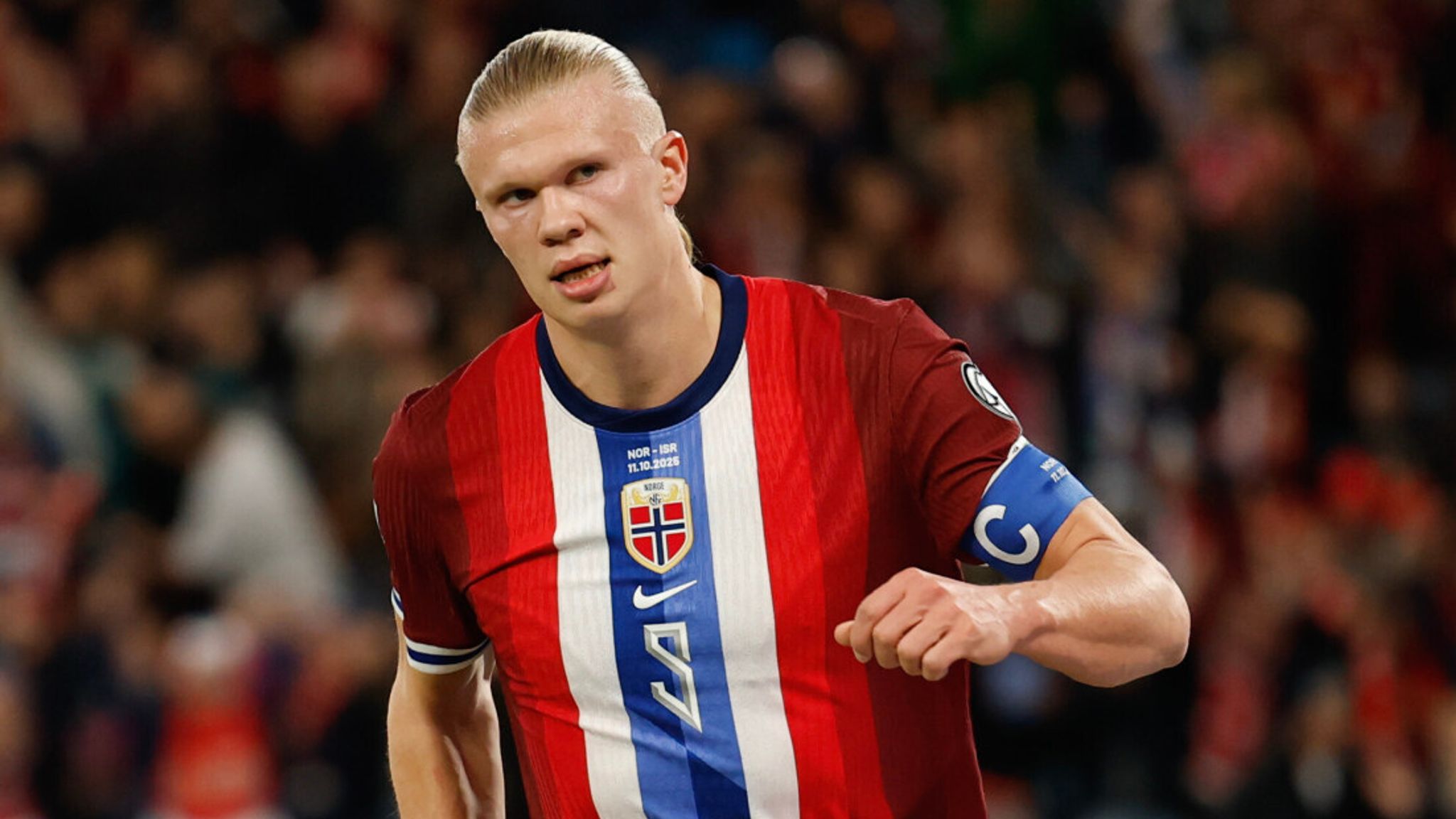
For Norway, the implications are enormous. Haaland has become the face of the national team’s modern era and is widely regarded as the player around whom the entire attacking structure is built. Without him, Norway would lose not only its primary goalscoring threat but also the player capable of changing a match through a single moment of brilliance.
Tactically, replacing Haaland presents an almost impossible challenge. His combination of pace, movement, aerial ability, strength, and finishing allows Norway to play with confidence against elite opposition. Few strikers in world football offer such a complete package, and any replacement would inevitably bring a different profile to the role.
Analysts have long argued that Haaland’s presence transforms the psychology of opponents before a match even begins. Defenders are forced to adjust positioning, midfielders are required to provide additional cover, and entire defensive systems often become focused on limiting his influence. His absence would fundamentally alter how opposing teams prepare for Norway.
At club level, however, Manchester City could potentially benefit from a reduced workload. Avoiding the physical and mental demands of a World Cup campaign would allow Haaland additional recovery time during a period when elite players are increasingly challenged by fixture congestion. Sports science experts have frequently warned about the cumulative strain placed on modern footballers, particularly those competing deep into domestic and European competitions.
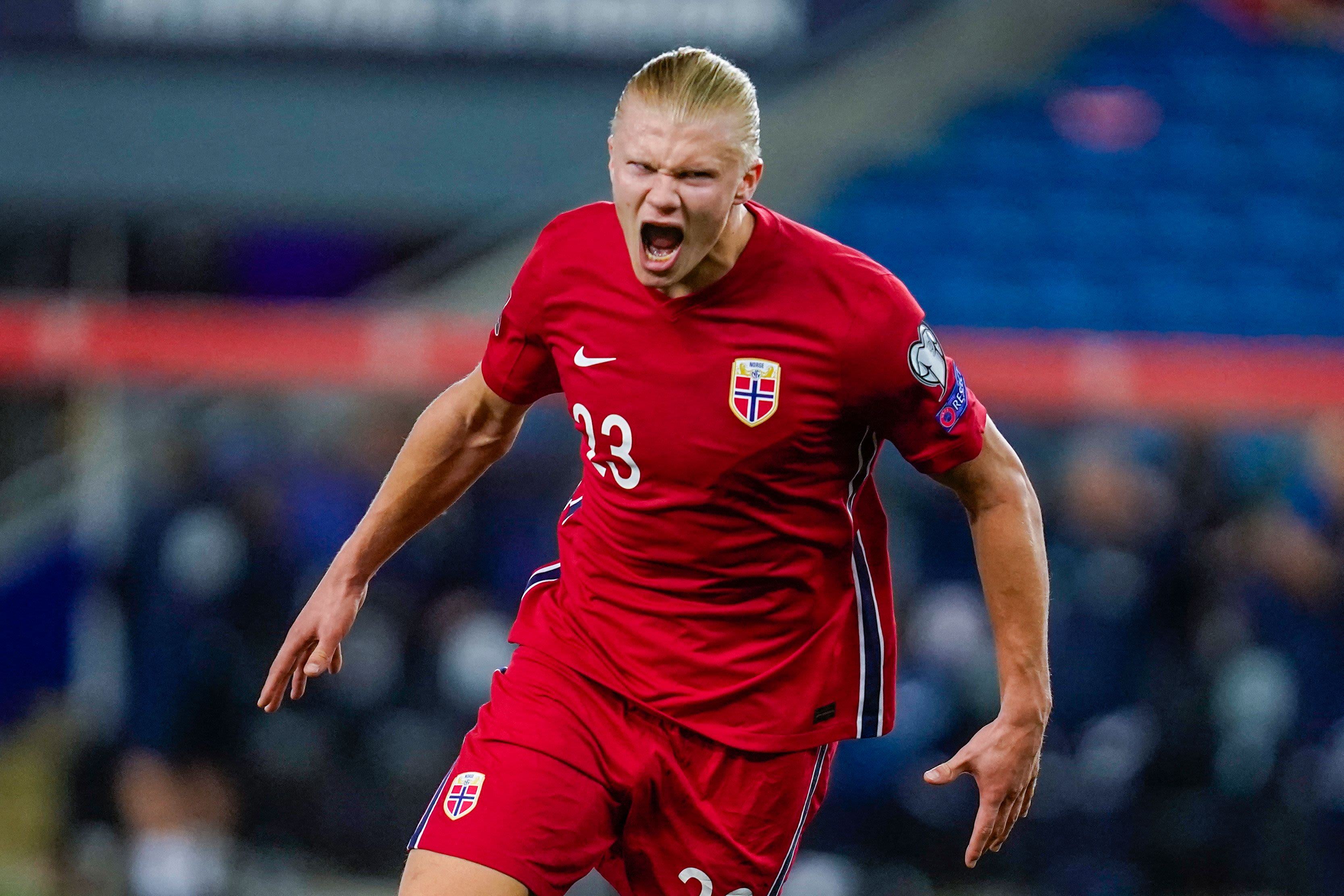
Nevertheless, there is also recognition that major international tournaments often elevate a player’s profile and legacy. The World Cup remains the ultimate stage for many footballers, and missing the competition would inevitably fuel debate about what impact the decision may have on Haaland’s place in football history.
Reaction across the football community has been immediate. Fans, pundits, and former players have expressed surprise that one of the game’s biggest stars could be absent from a tournament expected to attract unprecedented global attention. Social media platforms were quickly flooded with discussion, with many supporters questioning how the World Cup would look without one of its most marketable and devastating attacking talents.
Inside the Norwegian camp, attention is now expected to shift toward succession planning and tactical adaptation. Coaches may need to develop a more collective attacking approach rather than relying on a single superstar capable of delivering decisive moments. While Norway possesses emerging talent, few believe any player can immediately replicate Haaland’s influence.
The emotional impact of the announcement should not be underestimated. Haaland has become a symbol of Norwegian football’s resurgence and has inspired a new generation of supporters. His absence would represent more than a tactical setback; it would remove one of the tournament’s potential headline attractions.
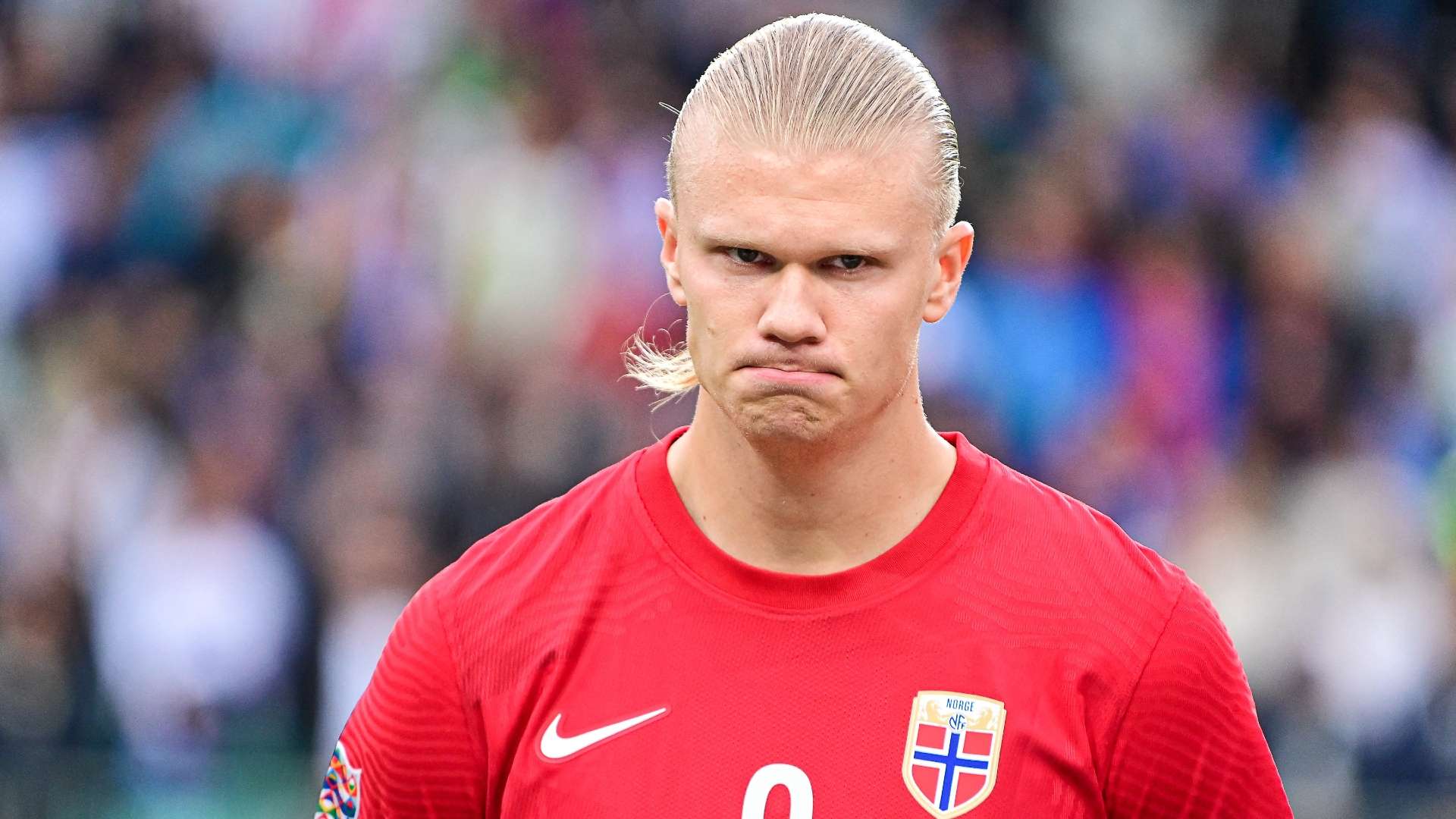
Despite the magnitude of the development, those close to the striker insist that his commitment to Manchester City remains stronger than ever. The club continues to view him as the cornerstone of its long-term ambitions, with expectations that he will remain central to every major objective in the coming seasons.
As the football world absorbs the shock of the announcement, one thing is certain: the prospect of a FIFA World Cup without Erling Haaland would dramatically alter the landscape of the competition. For Norway, it would mark the loss of a generational talent at the very moment the nation hoped to challenge on football’s biggest stage. For fans worldwide, it would mean the absence of one of the sport’s most electrifying stars from an event built around unforgettable moments and global icons.