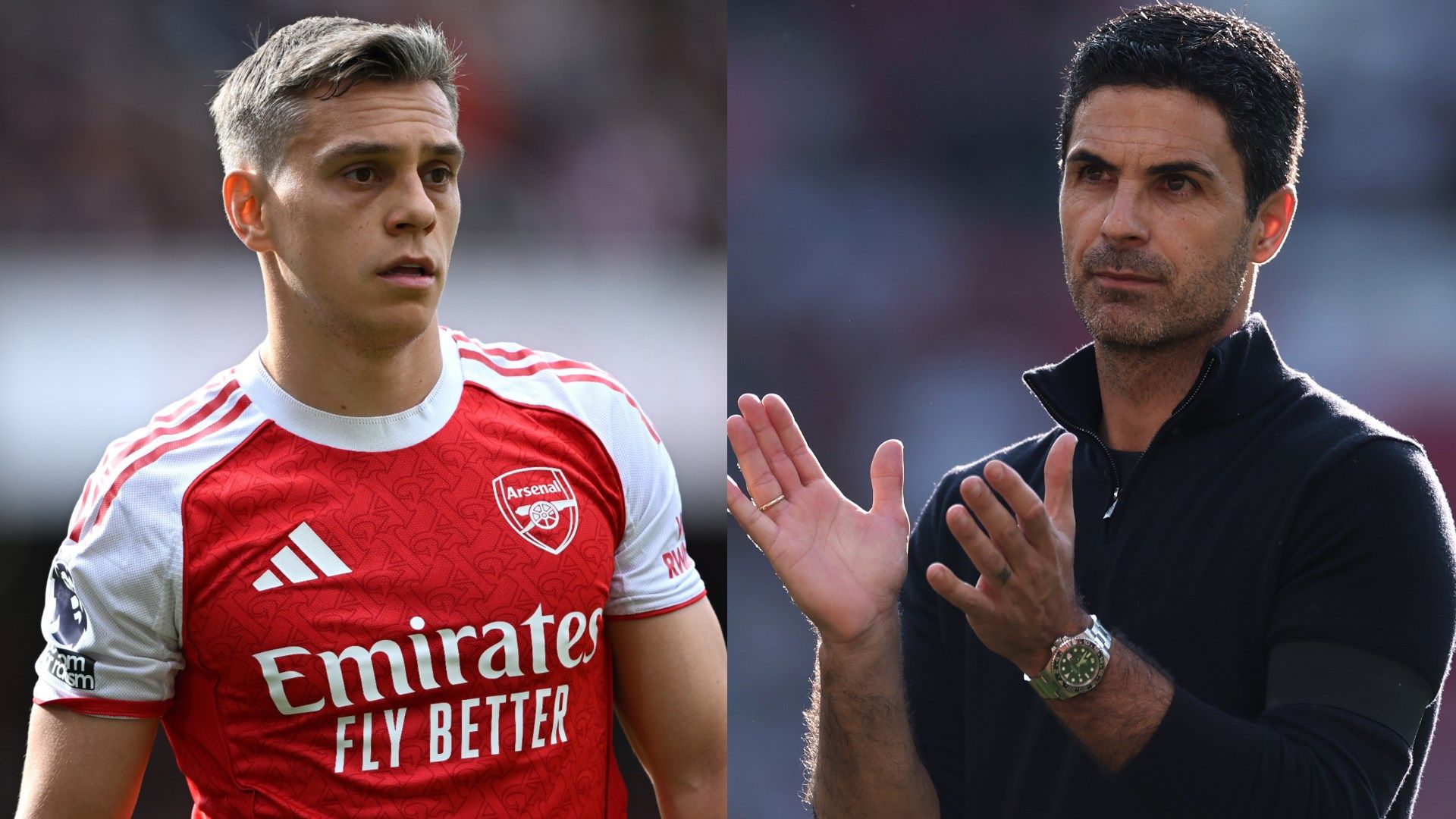
Arsenal’s dressing room was meant to be the epicenter of joy, a place where months of sacrifice and years of longing finally culminated in unrestrained celebration. After two decades of waiting, the Gunners had reclaimed the Premier League crown, and the Emirates was alive with chants, champagne, and catharsis. Yet, according to multiple inside sources, Leandro Trossard’s candid remarks in the immediate aftermath of the triumph pierced through the euphoria like a sudden storm. What should have been a night of unity and triumph was abruptly clouded by uncertainty, as the Belgian forward’s words raised questions about his role, his future, and the stability of the champions themselves.

The timing of Trossard’s comments could not have been more dramatic. Arsenal had just scaled the summit of English football, a feat that demanded tactical brilliance, emotional resilience, and relentless effort. For supporters, the victory was a release of pent-up frustration, a moment to believe again in the club’s destiny. For the players, it was the culmination of months of sacrifice, discipline, and belief in Mikel Arteta’s vision. Yet in the midst of jubilant chants and champagne showers, Trossard reportedly voiced concerns about his place in the squad and his long-term prospects at the club. “I’ve given everything, but sometimes I wonder if the club truly sees me as part of the future,” he is said to have told teammates. The remark, raw and unfiltered, instantly shifted the mood from triumph to tension, leaving many stunned at the vulnerability revealed in such a moment of glory.
Trossard’s journey at Arsenal has been one of promise intertwined with frustration. Signed to provide depth and versatility in attack, he quickly proved himself capable of delivering in crucial moments. His goals and assists often arrived at times when the team needed them most, and his ability to adapt across the frontline made him a valuable asset. Yet despite these contributions, he has frequently found himself rotated out of the starting lineup, overshadowed by the rise of Bukayo Saka, Gabriel Martinelli, and Gabriel Jesus. For a player of his caliber and experience, the sense of being undervalued can fester, and it appears that the title celebrations provided the stage for those feelings to spill into the open. “I know my worth, and I know what I bring,” Trossard reportedly confided. “But sometimes it feels like I’m just a piece to be moved around, not a pillar to build upon.”
/https%3A%2F%2Fsportsmole-media-prod.s3.gra.io.cloud.ovh.net%2F24%2F32%2Fleandro-trossard.jpg)
The implications of his comments are profound. Arsenal’s resurgence under Mikel Arteta has been built not only on tactical discipline but also on a culture of unity and collective belief. Any fissure in that unity threatens to destabilize the delicate balance that has carried the club back to glory. One insider described the moment vividly: “It was like a thunderclap in the middle of a sunny day. Everyone was celebrating, and then suddenly, the mood shifted. People were looking around, wondering what this meant.” Such moments can linger, sowing doubt and speculation that ripple through the squad, and in a team where belief has been the cornerstone of success, doubt can be corrosive.
Financially and structurally, Arsenal are entering a new era. The club has shown a willingness to invest heavily in both talent and leadership, as evidenced by Arteta’s record-breaking contract extension. Yet with investment comes expectation, and with expectation comes pressure. Players like Trossard, who may feel peripheral despite their contributions, are caught in the tension between ambition and opportunity. His comments highlight the human side of football’s relentless pursuit of success: the desire for recognition, the fear of being left behind, and the struggle to reconcile personal aspirations with collective goals. In the unforgiving world of elite sport, where every decision is scrutinized and every role contested, such feelings are both understandable and dangerous.
.jpg?auto=webp&format=pjpg&width=3840&quality=60)
For supporters, the revelation is jarring. The image of a united squad basking in glory is central to the narrative of Arsenal’s revival. To hear that one of their key contributors is questioning his future introduces an element of vulnerability. Fans who have endured years of disappointment are now confronted with the possibility that internal discord could undermine the very success they have long awaited. “We’re champions, but champions must stay together,” one fan remarked, echoing the sentiment that unity is as vital as talent in sustaining success. The fear is that the cracks revealed by Trossard’s words could widen, threatening to undo the progress that has been so painstakingly achieved.
The broader context of modern football management adds another layer to the story. Clubs at the highest level are constantly balancing ambition with cohesion, demanding excellence while managing egos and expectations. Trossard’s situation is emblematic of this paradox. His contributions are undeniable, yet his role is not guaranteed. His desire for clarity and recognition is understandable, yet his timing raises questions about judgment and loyalty. In elite sport, such tensions are inevitable, but when voiced publicly or in moments of celebration, they can become catalysts for crisis. “Football is about moments, but it’s also about trust,” another insider observed. “If trust is broken, even the greatest victories can feel fragile.”
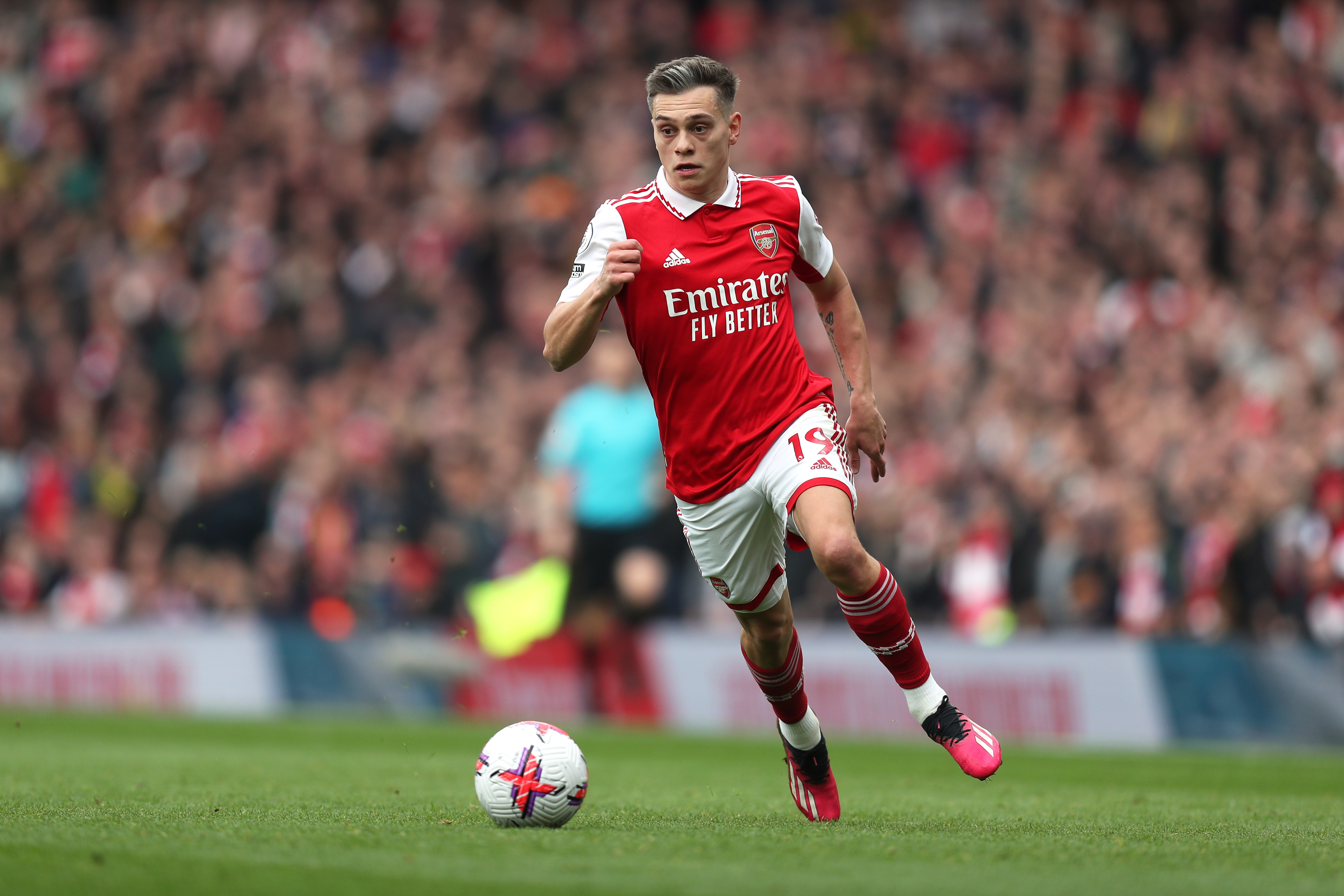
What happens next will be critical. Arsenal’s leadership must decide whether to address Trossard’s concerns directly, offering reassurances or redefining his role, or whether to view his comments as a sign that his future lies elsewhere. Arteta, known for his uncompromising standards, faces the challenge of maintaining unity while navigating the complexities of individual ambition. The dressing room, meanwhile, must absorb the shock and decide whether to rally around their teammate or distance themselves from his discontent. The choices made in the coming weeks will shape not only Trossard’s future but also the trajectory of Arsenal’s attempt to build a dynasty.
Trossard’s bombshell is more than a fleeting remark. It is a reminder that success does not erase uncertainty, that triumph does not silence doubt, and that even in moments of glory, the human need for recognition and belonging remains powerful. Arsenal’s title win was a story of resilience and belief, but the aftermath now poses a new test: can the club transform its victory into a lasting dynasty, or will internal fissures threaten to unravel the progress they have made? For Trossard, the words spoken in celebration may define his legacy at the Emirates. For Arsenal, they may mark the beginning of a new chapter—one where the battle for unity is as fierce as the battle for trophies.